
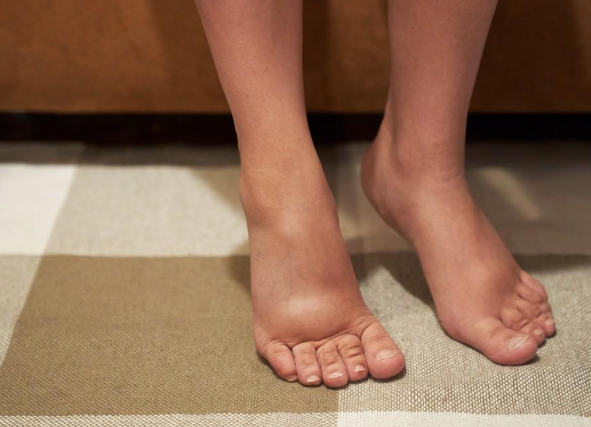
Pregnancy is an extraordinary journey, but it comes with its set of challenges, especially regarding foot care. As a woman’s body undergoes significant changes, proper foot care becomes essential to ease discomfort and maintain overall well-being. Below are some practical tips to help you take care of your feet during this special time.
1. The Importance of Proper Footwear
During pregnancy, your feet may swell and your weight increase can lead to added strain on your lower body. This emphasizes the need for proper footwear. Opting for shoes that provide good support and accommodate any swelling can make a world of difference in comfort. Avoid high heels and tight shoes that can exacerbate foot problems.
Look for shoes that offer a cushioned insole and a wide toe box. Brands specifically designed for pregnancy can be helpful. Additionally, consider shoes with adjustable straps to allow for a comfortable fit as your feet may change shape.
-
- Choose supportive shoes with a cushioned sole.
-
- Avoid high heels and tight-fitting shoes.
-
- Look for materials that stretch or adjust.
-
- Consider wearing slip-on styles for ease.
-
- Take breaks from standing to relieve foot tension.
2. Foot Soaks and Massages
Foot soaks are a luxurious and effective way to relieve swelling and pain. A warm soak with Epsom salts can not only ease discomfort but also help rejuvenate tired feet. Soaking for 15–20 minutes in a basin of warm water can provide immediate relief.
Additionally, regular foot massages can alleviate tension and improve circulation. You can ask a partner for help or use a foot massager. Consider using a moisturizing lotion or oil to enhance the experience and leave your skin feeling soft.
-
- Soak your feet in warm water with Epsom salts regularly.
-
- Try a foot massage using lotion or oil.
-
- Ask your partner for help with massaging sore spots.
-
- Consider elevating your feet after soaking.
-
- Use foot baths that provide massage action.
3. Managing Swelling and Discomfort
Swelling, especially in the later stages of pregnancy, is common and can be quite uncomfortable. To help manage this, consider implementing a few simple lifestyle changes. Drinking plenty of water can reduce water retention, while reducing your salt intake can minimize swelling. Elevating your feet whenever possible can also help improve circulation.
Incorporating light exercises, like walking or swimming, can help stimulate blood flow to the feet. It’s essential to listen to your body; if you experience excessive swelling, it’s best to consult your healthcare provider to rule out any complications.
-
- Stay hydrated to help reduce swelling.
-
- Limit your intake of salty foods.
-
- Elevate your feet when resting.
-
- Engage in gentle exercises like walking.
-
- Consult your healthcare provider about any concerns.
4. Maintain Hygiene and Skin Care
Keeping your feet clean and moisturized is vital throughout your pregnancy. Increased hormone levels can lead to changes in skin texture and health, making it easier for issues like dryness or fungal infections to arise. Regular washing and thorough drying, especially between the toes, can prevent infections.
Moisturizing daily with a good foot cream can also help prevent dryness and cracking. Look for creams containing natural ingredients like shea butter or coconut oil for best results. Also, consider regular nail care, trimming nails straight across to avoid ingrown toenails.
-
- Wash and dry your feet thoroughly daily.
-
- Moisturize regularly with quality foot cream.
-
- Pay attention to foot hygiene, especially between toes.
-
- Trim nails straight to prevent ingrown toenails.
-
- Consider using antifungal powder if prone to infections.
5. When to Seek Professional Help
While many foot issues during pregnancy are normal, some can indicate underlying problems that require medical attention. If you experience sudden swelling, severe pain, or any noticeable changes in the appearance of your feet, don’t hesitate to consult your healthcare provider. These could be signs of gestational complications, such as preeclampsia.
Additionally, if you have a chronic condition like diabetes, it’s crucial to have regular check-ups with a podiatrist throughout your pregnancy. Keeping an open line of communication with your healthcare team is essential for ensuring both your health and your baby’s health.
-
- Monitor for sudden or excessive swelling.
-
- Seek medical advice for severe foot pain.
-
- Keep regular check-ups if you have pre-existing conditions.
-
- Communicate any changes in your foot health with your provider.
-
- Educate yourself on warning signs of complications.
Taking care of your feet during pregnancy is an often-overlooked but essential aspect of overall health. By following these tips, you can help ensure that your feet remain comfortable and well-cared for, allowing you to enjoy this unique experience. Don’t hesitate to consult with a professional for personalized advice based on your specific needs.