
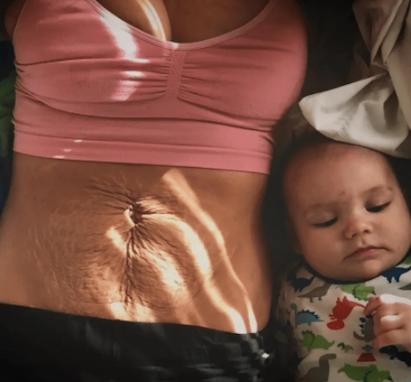
Experiencing skin changes after giving birth is a common challenge for many women, and postpartum body acne is one of these issues. Due to hormonal fluctuations, stress, and changes in skincare routines, new mothers may find themselves dealing with breakouts in ways they never expected. Understanding how to care for postpartum acne is essential for regaining confidence and tranquility.
1. Understanding the Causes of Postpartum Body Acne
The root causes of postpartum body acne can be multi-faceted, blending factors like hormonal shifts, lifestyle changes, and environmental influences. After giving birth, your body produces varying levels of hormones such as estrogen and progesterone. These fluctuations can lead to increased oil production in your skin, which may clog pores and result in breakouts.
In addition to hormonal changes, the stress of adjusting to a new baby can trigger hormonal responses that exacerbate acne. The body also undergoes changes in metabolism and skin hydration, affecting how the skin reacts to its environment. It’s crucial to identify personal triggers and address them accordingly for a tailored skincare approach.
-
- Track your symptoms to identify triggers.
-
- Consult with a healthcare provider about hormonal changes.
-
- Maintain a balanced diet rich in nutrients to support skin health.
-
- Consider stress-reducing activities like yoga or meditation.
2. Building a Suitable Skincare Routine
A well-structured skincare routine can significantly improve the condition of postpartum acne. Begin by opting for gentle cleansers that won’t strip your skin’s natural moisture. Look for formulations containing salicylic acid or glycolic acid, which help exfoliate and unclog pores without being harsh on sensitive skin.
Moisturizing is also crucial; select non-comedogenic products that hydrate without blocking pores. Incorporating a lightweight sunscreen during the day protects your skin from UV damage and prevents hyperpigmentation, which may occur with acne scarring. It’s vital to be consistent with your routine, as improvements may take time.
-
- Cleanse your skin twice daily for optimal results.
-
- Use a toner to balance skin pH and remove residual impurities.
-
- Choose non-comedogenic moisturizers.
-
- Never skip sunscreen; opt for an SPF of at least 30.
3. Dietary Considerations for Clearer Skin
Your diet can play a significant role in skin health and the management of postpartum acne. Foods high in sugar and refined carbohydrates can contribute to inflammatory responses, which may worsen acne. Instead, focus on whole foods rich in antioxidants, Omega-3 fatty acids, and vitamins A, C, and E, which are known to support skin health.
Incorporating plenty of water into your daily routine is essential for maintaining hydration, and it can help flush out toxins from the body. Avoid diet fads; instead, aim for balance and moderation to create a sustainable eating pattern that nurtures both you and your skin. A well-nourished body is often reflected in healthy, clear skin.
-
- Consume a variety of colorful fruits and vegetables.
-
- Include Omega-3-rich foods like salmon, chia seeds, and walnuts.
-
- Stay hydrated with at least 8–10 cups of water daily.
-
- Limit processed foods, sugars, and dairy products.
4. When to Seek Professional Advice
If home remedies and over-the-counter treatments do not yield the desired results, it may be time to seek professional help. Dermatologists can provide tailored skincare solutions, prescription treatments, and guidance on effective therapies, such as chemical peels or laser treatments. They can also recommend specific products formulated to combat postpartum acne.
In addition to skincare specialists, mental health professionals can offer support for stress management, which is crucial for overall well-being. Balancing physical and mental health is key to improving your approach to postpartum acne, as stress often exacerbates skin issues.
-
- Consult a dermatologist if over-the-counter products fail.
-
- Inquire about prescription treatments specifically for postpartum acne.
-
- Consider therapy for managing postpartum mental health issues.
-
- Keep a symptom journal to track progress and reactions.
Postpartum body acne can be a distressing hurdle for new mothers, but with the right understanding and care, it can be managed effectively. Developing a consistent skincare routine, making dietary adjustments, and seeking professional advice when necessary are all steps you can take to reclaim your skin health. Don’t hesitate to take the next step towards a clear and healthy complexion—consult a professional, start a skincare routine, or track your symptoms today!