
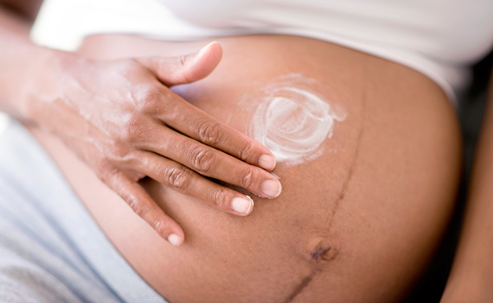
Pregnancy is a beautiful journey, but it often comes with a variety of skin changes that can be unexpected and puzzling. Understanding these changes not only helps in managing them but also reassures you that you are not alone in experiencing them. In this post, we’ll explore some common pregnancy skin changes and how to care for your skin during this transformative period.
1. Stretch Marks: The Truth Behind the Stripes
Stretch marks, or striae, are a common occurrence during pregnancy. As your belly grows to accommodate your growing baby, the skin stretches rapidly, often leading to these marks. Initially, they may appear as red or purple streaks on your abdomen, hips, or breasts, but they will typically fade to a lighter shade over time. Genetics, skin type, and weight gain play significant roles in their development.
While stretch marks are normal and often unavoidable, certain strategies can help minimize their appearance. Keeping your skin moisturized can improve its elasticity, potentially reducing the severity of stretch marks. Some remedies include creams and oils specifically formulated to combat stretch marks, although results can vary.
-
- Stay hydrated; drink plenty of water.
-
- Use moisturizing creams or oils daily.
-
- Avoid rapid weight gain by following a balanced diet.
-
- Consider topical treatments that contain hyaluronic acid or retinoids after delivery.
-
- Talk to your doctor about laser therapy options for persistent marks postpartum.
2. Pregnancy Glow: The Hormonal High
The so-called “pregnancy glow” is attributed to hormonal changes that increase blood flow and oil production in the skin. Many women experience a radiant complexion with a natural blush as they progress through their pregnancy. However, while some celebrate this glow, others may find it comes with increased oiliness and acne, particularly if they have a predisposition to breakouts.
In managing this glow, striking a balance is key. While the skin might feel oily, it’s essential to cleanse it gently to avoid stripping away natural moisture. Using non-comedogenic skincare products can help prevent clogging pores while still maintaining that coveted radiance.
-
- Cleanse your face twice daily with a gentle cleanser.
-
- Use non-comedogenic makeup products to avoid breakouts.
-
- Incorporate a light moisturizer suited for oily skin.
-
- Consult a dermatologist if acne becomes persistent.
-
- Limit sun exposure; always use sunscreen when outside.
3. Hyperpigmentation: Dealing with Darker Spots
Hyperpigmentation, especially the “mask of pregnancy” known as melasma, is another common skin change. This condition manifests as brown patches on the face, particularly on the cheeks and forehead, and is caused by increased production of melanin from hormonal changes. It may be more prominent in women with darker skin but can affect anyone.
Managing hyperpigmentation can be tricky since many treatments are not suitable during pregnancy. However, gentle skincare routines and sun protection can help. It’s essential to stay out of direct sunlight—UV exposure may worsen the pigmentation—and wearing a broad-spectrum sunscreen is a must. After pregnancy, various treatments, including topical agents and chemical peels, can be discussed with a skincare professional.
-
- Avoid direct sun exposure, especially during peak hours.
-
- Use a sunscreen with SPF 30 or higher daily.
-
- Consider wearing a wide-brimmed hat when outdoors.
-
- Consult a dermatologist for safe postpartum treatment options.
-
- Incorporate vitamin C serums into your skincare routine for brightening effects.
4. Increased Sensitivity: The Delicate Balance
During pregnancy, many women experience increased skin sensitivity. This can manifest as redness, irritation, or an allergic reaction to products that previously caused no issues. As your body shifts hormone levels, it can react differently to skincare ingredients, meaning products you used reliably may now cause discomfort.
To minimize sensitivity, it’s wise to simplify your skincare regimen. Opt for fragrance-free and hypoallergenic products. Additionally, consider consulting with a dermatologist to identify potentially irritating ingredients and to customize a routine specifically for your changing skin.
-
- Patch-test new products before full application.
-
- Use gentle cleansers without harsh chemicals.
-
- Limit the number of new products introduced at once.
-
- Keep your skincare routine minimal; fewer products often means less irritation.
-
- Stay informed; read labels to avoid known allergens.
Understanding the various skin changes that occur during pregnancy can help you navigate this exciting yet challenging time. By adopting appropriate skincare practices, you can mitigate some of the effects and maintain your skin’s health and vitality. If you have ongoing concerns or unique skin conditions, consider consulting a skincare professional who can provide personalized advice and treatment options. Embrace the journey ahead, knowing you have the tools to care for your skin.