
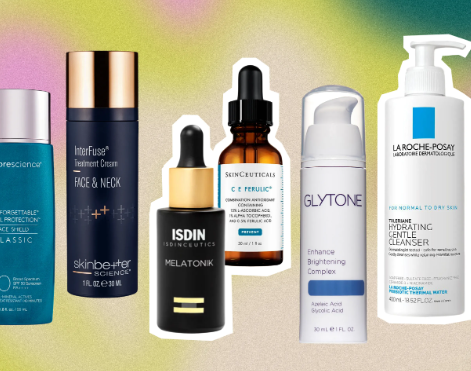
Postpartum skin can be a whole new landscape for new mothers, often revealing sensitive reactions that weren’t present before. Understanding how to care for this delicate skin is essential for a comfortable and confident recovery.
1. Understanding Postpartum Skin Changes
After childbirth, a woman’s body undergoes a significant hormonal shift that can lead to various skin changes. These can manifest as increased dryness, rashes, or sensitivity, and may be exacerbated by factors like lack of sleep, stress, and changes in diet. Pregnant bodies produce more melanin, which can lead to pigmentation changes that might stick around postpartum.
Many women also experience a loss of moisture in their skin, leading to flakiness or irritation. Additionally, conditions like eczema or acne may flare up or change in severity during this time. Recognizing these changes allows for a more targeted approach to skincare, making it essential to educate oneself about these variations to treat them effectively.
-
- Keep an eye on changes in your skin; note any new irritations.
-
- Track how your skin reacts to specific products over time.
-
- Consult with a dermatologist if you notice persistent changes.
-
- Consider taking pictures to compare your skin over time.
2. Choosing Gentle Ingredients
Selecting gentle, non-irritating ingredients is crucial when caring for postpartum sensitive skin. Products free from fragrances, alcohol, and harsh chemicals can prevent further irritation and promote healing. Opt for natural ingredients like aloe vera, chamomile, and calendula, which are known for their soothing properties.
Using a patch test for new products is also a practical step. Apply a small amount on a less sensitive area and wait 24 hours to check for any negative reactions. This precaution can save a lot of discomfort and prevent widespread irritation on your more sensitive skin areas.
-
- Read labels carefully before purchasing new skincare items.
-
- Look for hypoallergenic products specifically designed for sensitive skin.
-
- Test new products on a small skin area first.
-
- Avoid multi-use products that combine too many ingredients.
3. Building a Simple Skin Care Routine
A straightforward skincare routine is often best for postpartum skin. A basic regimen typically includes a gentle cleanser, a hydrating moisturizer, and a sunscreen for daytime protection. Nighttime skin care can include a heavier moisturizer or restorative oil to help repair the skin while you sleep.
It’s advisable to keep your routine minimal, especially as baby care can be time-intensive. Choose products specifically formulated for sensitive skin to ensure they won’t irritate your newfound sensitivities. The fewer product layers, the lower the risk of reactions.
-
- Cleansers: Use a gentle, creamy cleanser that won’t strip your skin.
-
- Moisturizers: Look for those rich in hydrating ingredients like hyaluronic acid.
-
- Sunscreen: Apply a broad-spectrum SPF during the day.
-
- Stay consistent with your routine, even when time is tight.
4. Natural Remedies for Extra Care
Besides commercial products, consider incorporating natural remedies into your skincare routine. Oatmeal baths can be soothing for rashes or irritations, while coconut oil can provide moisture and relief for dry patches. Aloe vera gel is also fantastic for calming any inflammation and promoting healing.
Essential oils can be beneficial, but always dilute these in a carrier oil. Fragrance-free options like lavender or tea tree oil can offer soothing and antiseptic benefits without causing irritation. Always patch test these natural remedies as well to ensure they suit your sensitive skin.
-
- Consider adding oatmeal baths for irritation relief.
-
- Use coconut oil as a natural moisturizer.
-
- Apply aloe vera gel directly to irritated areas.
-
- Dilute essential oils properly for safe application.
5. When to Seek Professional Help
If your postpartum skin sensitivities do not improve or worsen over time, it might be time to consult a dermatologist. Conditions like psoriasis, severe acne, or melasma may require professional intervention and could benefit from medical-grade skincare products or specific treatments.
Keep track of your skin’s changes and symptoms to share with your healthcare provider. Documenting what products you’ve used or any potential irritants you’ve encountered can help them tailor a treatment plan suited to your needs.
-
- Monitor significant changes to your skin’s condition.
-
- Prepare a list of questions for your healthcare visit.
-
- Document any products that have caused irritation.
-
- Don’t hesitate to ask for referrals to specialists.
Postpartum skin sensitivity can feel overwhelming, but understanding how to properly care for your skin is a good first step toward comfort and healing. Don’t hesitate to consult with professionals to find the best solutions for your unique skin needs and remember to prioritize self-care in this new chapter of your life.