
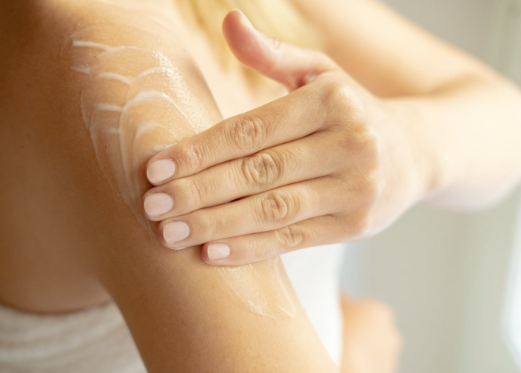
The postpartum period can be challenging for new mothers, not just in terms of emotional and physical recovery but also in managing changes in skin health. Many women experience dry skin after giving birth, which can be uncomfortable and distracting. Understanding how to care for your skin during this time can help you feel more confident and comfortable in your own skin.
1. Understanding Postpartum Dry Skin
Postpartum dry skin is commonly caused by hormonal fluctuations, dehydration, and changes in skincare routine during pregnancy and after childbirth. The rapid drop in estrogen and progesterone levels can lead to moisture loss, leaving your skin feeling dry and irritated. Additionally, sleepless nights and the stress of caring for a newborn can further exacerbate this issue.
It’s essential to recognize that every woman’s skin will react differently during this transition. Factors like genetics, diet, and even the environment can influence how your skin behaves. Keeping track of changes in your skin can help you identify the best products and routines tailored to your unique needs.
-
- Stay hydrated by drinking plenty of water
-
- Monitor your skin’s changes and note what products work
-
- Avoid harsh soaps and products during your skincare routine
-
- Consider a humidifier to maintain skin moisture indoors
2. Building a Gentle Skincare Routine
When dealing with dry skin postpartum, developing a consistent and gentle skincare routine is vital. Start by cleansing your face and body with a mild, hydrating cleanser to avoid stripping natural oils. Look for products with natural ingredients like aloe vera, hyaluronic acid, or glycerin, which help retain moisture.
Incorporate a routine that includes toners and serums designed for dry skin, followed by a rich moisturizer to lock in hydration. It’s essential to apply these products while your skin is still damp to enhance absorption. You can also consider incorporating facial oils or nourishing balms, especially during the colder months, to provide an extra layer of protection against the elements.
-
- Cleanse with a gentle, hydrating cleanser
-
- Apply toner or serum shortly after cleansing
-
- Use a thick moisturizer to lock in hydration
-
- Consider additional facial oils for extra moisture
-
- Don’t forget sunscreen if you’re going outdoors
3. Nutrition and Lifestyle Adjustments
Your diet plays a significant role in skin health during the postpartum period. Incorporating foods rich in omega-3 fatty acids, vitamins, and minerals can enhance your skin’s condition from the inside out. Eat plenty of whole foods, such as leafy greens, nuts, fatty fish, and seeds, all of which help nourish your skin and combat dryness.
Moreover, managing stress levels and ensuring adequate sleep can significantly affect your skin’s appearance. Engage in gentle exercise such as yoga or walking, which not only helps relieve stress but also boosts circulation, benefiting your skin. Remember, your mental well-being is just as crucial, so reach out for help if you’re struggling with postpartum emotions.
-
- Incorporate omega-3 rich foods like salmon and walnuts
-
- Stay hydrated with herbal teas or infused waters
-
- Try to eat a rainbow of fruits and vegetables
-
- Engage in stress-relieving activities like meditation
-
- Prioritize sleep whenever possible
4. Products to Consider
When selecting skincare products postpartum, opt for those labeled as fragrance-free and hypoallergenic to minimize the risk of irritation. Ingredients like shea butter, ceramides, and glycerin are excellent for providing the moisture your skin craves. Always do a patch test before trying out a new product to ensure your skin reacts positively.
It’s also essential to consider the type of moisturizer you use. Look for thick creams or lotions that are specifically designed for dry skin. If you have sensitive skin, you might want to explore products that are enriched with calming botanicals like chamomile or calendula, which can soothe irritated skin.
-
- Choose fragrance-free products to avoid irritation
-
- Look for ingredients like shea butter and ceramides
-
- Perform patch tests with new products
-
- Consider thick creams or ointments for serious dryness
-
- Consult a dermatologist if unsure about product choices
Postpartum dry skin can be an uncomfortable experience, but with the right understanding and skincare routine, you can effectively manage it. It’s essential to remain attentive to your skin’s unique needs and adapt your regimen as necessary. If you’re unsure about what products or routines work for your skin, consider consulting a dermatologist for personalized recommendations. Start your journey to healthy, hydrated skin today!