
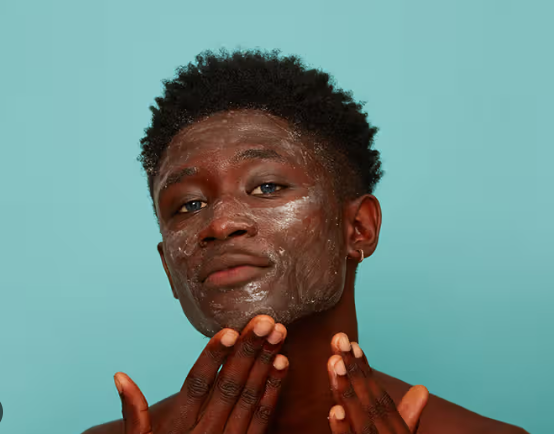
Exfoliating can be a vital part of a skincare routine, especially for men who often overlook the importance of body care. However, over-exfoliating can lead to skin irritation, dryness, and other complications. Here are some effective strategies to help men avoid the pitfalls of over-exfoliation.
1. Understand Your Skin Type
Before diving into an exfoliation routine, it’s essential to understand your skin type. Skin can generally be categorized as oily, dry, combination, or sensitive. Each type requires different exfoliation approaches; for example, oily skin may benefit from more frequent exfoliation, while sensitive skin needs gentler, less frequent treatments.
To determine your skin type, wash your face and wait for about an hour without applying any products. Observe how your skin reacts: does it feel tight, oily, or balanced? Knowing your skin type will help you choose products and establish an appropriate frequency for exfoliation.
-
- Conduct a simple skin test to identify your type.
-
- Research specific exfoliation methods suited to your skin type.
-
- Consult a dermatologist for personalized advice.
-
- Keep a journal of how your skin feels after different products.
2. Choose the Right Exfoliation Method
There are two main exfoliation methods: physical (scrubs, brushes) and chemical (acids and enzymes). Physical exfoliants work by manually sloughing off dead skin cells, while chemical exfoliants dissolve them. Each method has its pros and cons, and selecting the right one for your needs is crucial in preventing over-exfoliation.
For instance, if you’re using a physical scrub, choose one with gentle granules to avoid micro-tears in the skin. On the other hand, when opting for chemical exfoliants, start with a low concentration and gradually increase as your skin adjusts. This caution helps your skin adapt and prevents irritation from overuse.
-
- Do thorough research on different exfoliation methods.
-
- Start with the mildest products and gradually increase strength.
-
- Avoid harsh scrubs if you have sensitive skin.
-
- Always patch-test new products on a small area first.
3. Establish a Routine and Stick to It
Consistency is key when it comes to exfoliation. Creating a structured routine will help you avoid the temptation to over-exfoliate when your skin feels a little rough. Most dermatologists recommend exfoliating no more than 1-2 times per week for body skin, as it allows for the natural regeneration process without causing harm.
Incorporate exfoliation into your existing skincare or shower routine. Perhaps you can choose Sunday afternoons to focus on body scrubs or midweek for a lighter chemical exfoliant. Sticking to a schedule makes it easier to keep track of what your skin needs without overdoing it.
-
- Set a specific day and time for exfoliating each week.
-
- Use a reminder app to keep you accountable.
-
- Monitor your skin’s reaction to find the best frequency.
-
- Consider using a moisturizer post-exfoliation for better results.
4. Pay Attention to Skin’s Signals
Listening to your skin is vital for maintaining its health. If you notice redness, irritation, or an increase in sensitivity, it’s a clear sign that you’re exfoliating too much. Adapt your routine based on how your skin responds. Remember, everyone’s skin is unique, and what works for one person may not work for another.
In addition to visible signs, pay attention to how your skin feels. If it feels dry or tight, that could indicate it’s time to step back. Addressing these signals promptly can help prevent further damage and allow your skin to heal appropriately.
-
- Regularly assess the condition of your skin.
-
- Keep track of any changes after exfoliation.
-
- Be willing to adjust your routine based on skin feedback.
-
- Employ soothing ingredients in your post-exfoliation care.
5. Incorporate Hydration and Moisturizing Products
Hydration is essential, especially after exfoliation. Exfoliating can strip away natural oils, leaving the skin feeling vulnerable and dry. Using a good quality moisturizer can replenish lost moisture and help maintain the skin’s natural barrier.
Select a moisturizer that suits your skin type. For oily skin, lightweight formulas may work best, while those with dry skin may prefer cream-based hydrators. Hydrating serums with hyaluronic acid can also offer an extra layer of moisture, especially after exfoliation.
-
- Opt for a nourishing moisturizer post-exfoliation.
-
- Consider hydrating serums for extra moisture.
-
- Drink plenty of water to support overall skin health.
-
- Use sun protection daily to prevent sun damage post-exfoliation.
By understanding your skin type, selecting the right exfoliation methods, creating a structured routine, listening to your skin’s signals, and incorporating hydration, you can effectively avoid the pitfalls of over-exfoliation. Remember to prioritize skin health, and don’t hesitate to consult a dermatologist for expert advice tailored to your needs.