
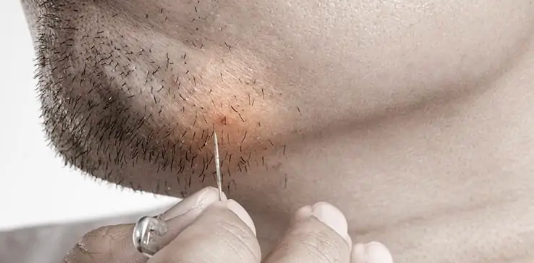
Ingrown hairs can be a source of discomfort and annoyance for many individuals, particularly after shaving or waxing. Preventing them through proper cleansing is an effective approach that requires just a bit of dedication and the right techniques. In this guide, we’ll explore effective strategies to keep your skin clean and minimize the risk of ingrown hairs.
1. Understand the Importance of Regular Cleansing
Regular cleansing is crucial for maintaining healthy skin and preventing ingrown hairs. When dead skin cells, oils, and dirt accumulate on the skin, they can clog hair follicles, causing hairs to grow sideways instead of straight out. This is especially common in areas that undergo regular hair removal, such as the legs, armpits, and face. By cleansing your skin effectively, you can help create a clean environment for hair to grow without impediment.
A consistent cleansing routine also hydrates the skin and retains its elasticity, making it less likely for hairs to become trapped beneath the surface. Utilizing the right cleanser suited for your skin type is vital. For example, individuals with oily skin may benefit from a foaming cleanser, while those with dry skin should aim for hydrating, cream-based formulas.
-
- Choose a cleanser suited to your skin type (foaming for oily, cream for dry).
-
- Cleans your skin daily to remove dirt and excess oil.
-
- Use lukewarm water to prevent skin irritation.
-
- Rinse thoroughly to ensure that no cleanser is left on the skin.
2. Exfoliate Regularly to Remove Dead Skin Cells
Exfoliation is an essential part of your skincare routine that helps to prevent ingrown hairs by sloughing off dead skin cells. These cells can build up and block hair follicles, leading to ingrown hairs. Regular exfoliation helps to maintain a clear path for hair to grow straight out, thereby minimizing the chance of ingrown hairs developing.
There are two types of exfoliation: physical and chemical. Physical exfoliation involves scrubs or brushes, while chemical exfoliation uses acids like glycolic or salicylic acid to dissolve dead skin cells. Finding the right exfoliant for your skin type and balancing frequency is key—too much exfoliation can lead to irritation.
-
- Exfoliate 1–2 times a week to avoid over-irritation.
-
- Consider using a gentle scrub or exfoliating cloth.
-
- For sensitive skin, opt for a mild chemical exfoliant.
-
- Follow up with moisturizer after exfoliation for hydration.
3. Use Proper Techniques Before and After Hair Removal
The methods you use when shaving or waxing can significantly impact the likelihood of developing ingrown hairs. Prepping your skin properly can make a difference. Always ensure that the hair is softened by warm water or steam before removal. This makes it easier for the hair to break through the surface without curling back into the skin.
Additionally, post-removal care is equally important. Applying soothing products, such as aloe vera or an anti-inflammatory cream, can help calm the skin and reduce the possibility of irritation. Choosing the right tools, such as a sharp razor or high-quality wax, can also aid in preventing ingrown hairs as these ensure a cleaner cut and less trauma to the skin.
-
- Trim hair prior to shaving or waxing for easier removal.
-
- Always use a sharp, clean razor for shaving.
-
- Apply a soothing post-removal product to reduce irritation.
-
- Consider using a shaving cream that contains soothing ingredients.
In conclusion, preventing ingrown hairs largely comes down to establishing a proper cleansing routine along with effective exfoliation and hair removal techniques. By taking these steps, you can significantly reduce the likelihood of ingrown hairs and maintain healthier skin. If problems persist, consider consulting a skincare professional for personalized advice tailored to your skin type and condition.