
Body odor is a common concern for many men, often resulting from sweat and bacteria on the skin. Fortunately, there are effective cleansing strategies that can help manage this issue and keep you feeling fresh and confident throughout the day.
1. Understand the Causes of Body Odor
Body odor primarily arises from the interaction between sweat and the bacteria that thrive on your skin. Men typically have more sweat glands than women, which can lead to increased body odor, especially in warm or humid conditions. Understanding this relationship is the first step in tackling odor effectively.
Diet also plays a significant role in body odor. Foods high in spices, garlic, and onions can affect your natural scent, as well as alcohol and caffeine. By being mindful of what you consume, you can positively influence how you smell.
-
- Identify potential triggers like spicy food, caffeine, and alcohol.
-
- Monitor your sweat levels during different activities.
-
- Consider keeping a food diary to track how certain foods affect your odor.
-
- Consult a healthcare professional for underlying issues if necessary.
2. Establish a Daily Cleansing Routine
A dedicated cleansing routine can dramatically reduce body odor. Start by showering at least once a day, using a mild antibacterial soap to help eliminate bacteria from the skin. Pay special attention to areas prone to sweating, such as your underarms, groin, and feet.
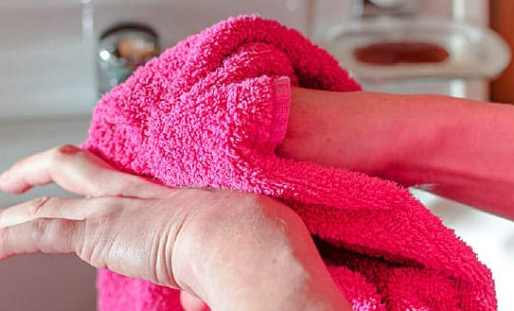
After showering, make it a habit to dry yourself thoroughly. Moist environments can foster bacterial growth, so using a good towel can help prevent odor. Consider adding an exfoliating scrub to your routine a few times a week to remove dead skin cells and further reduce bacteria.
-
- Shower daily, especially after workouts or strenuous activities.
-
- Use antibacterial soap to reduce bacteria.
-
- Exfoliate your skin 2-3 times a week.
-
- Make sure to dry off thoroughly after showering.
3. Choose the Right Antiperspirant or Deodorant
Selecting the right antiperspirant or deodorant can significantly impact your body odor management. Antiperspirants work by blocking sweat glands, while deodorants primarily mask odor. Look for products that contain aluminum compounds for maximum sweat protection, but also consider natural options if you prefer non-chemical alternatives.
Experiment with different brands to find one that suits your skin type and provides adequate protection. Applying deodorant at night can also allow it to work better by giving it time to seep into the skin before the day begins.
-
- Choose a product with antiperspirant properties for heavy sweating.
-
- Try various brands to see which works best on your skin.
-
- Apply deodorant at night for enhanced effectiveness.
-
- Reapply as needed, especially after workouts or throughout the day.
4. Pay Attention to Hygiene of Clothing and Accessories
Your clothing choices can also influence body odor. Synthetic fabrics often trap heat and moisture, promoting bacterial growth. Opt for breathable materials such as cotton or moisture-wicking fabrics, particularly for active wear. Regularly washing your clothes can prevent odor build-up and keep you smelling fresher.
Don’t forget about the hygiene of accessories like hats and gym gear. These items can harbor bacteria and smells, so make sure to wash or replace them frequently. A good practice is to rotate your workout gear and wash them regularly to maintain odor control.
-
- Wear breathable fabrics such as cotton or moisture-wicking materials.
-
- Wash clothes regularly to remove any accumulated odors.
-
- Rotate your wardrobe to ensure freshness.
-
- Clean accessories like hats and gym bags frequently.
5. Maintain a Healthy Diet and Hydration
Your daily diet influences your body chemistry and inevitably your scent. Eating a balanced diet rich in fruits, vegetables, and whole grains can improve overall health and reduce body odor. Avoiding processed and fatty foods can also result in a fresher smell.
Hydration is equally important. Drinking plenty of water helps flush out toxins and can dilute the concentration of odor-causing compounds in your sweat. Aim for at least 8 glasses of water a day, and increase your intake if you’re physically active or in hot environments.
-
- Consume a balanced diet with plenty of fresh fruits and vegetables.
-
- Avoid heavily processed foods that contribute to body odor.
-
- Drink at least 8 glasses of water daily.
-
- Increase hydration during exercise or hot weather.
Managing body odor is entirely achievable with the right approach and lifestyle adjustments. By understanding its causes, establishing good hygiene habits, and making conscious choices in your diet and products, you can confidently take control of your body scent. Don’t hesitate to consult a healthcare professional if you have ongoing concerns or notices major changes in your body odor.