
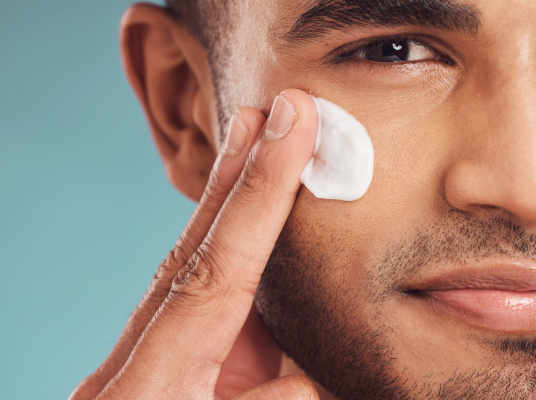
Dry skin can be a pesky problem, especially for men who might assume their skincare routine needs less attention. Proper cleansing is a key part of treating dry skin effectively. Let’s explore how men can use cleansing to combat dryness and keep their skin healthy.
1. Understanding Dry Skin
Before diving into the cleansing process, it’s essential to understand what causes dry skin. Factors such as cold weather, low humidity, hot showers, and harsh soaps can strip skin of its natural oils. These factors may lead to feelings of tightness, flakiness, and irritation.
Additionally, dry skin can be more prevalent in certain areas of the body and might result from underlying health conditions. Knowing whether your skin type is naturally oily, normal, or dry can help you choose the right cleansing products and techniques. Always pay attention to how your skin reacts after cleansing; this can guide you in adjusting your routine.
-
- Identify your skin type for targeted care.
-
- Avoid hot water, as it can worsen dryness.
-
- Look out for signs such as redness or cracking.
-
- Evaluate environmental factors, such as season and humidity.
2. Choosing the Right Cleanser
Selecting the right cleanser is crucial for treating dry skin. Men often reach for products labeled as “deep cleansing” without realizing they can be too harsh. Look for gentle, hydrating cleansers that are sulfate-free and designed specifically for dry skin. Ingredients like glycerin and hyaluronic acid can help retain moisture while cleansing.
It’s also beneficial to avoid cleansers with alcohol or fragrances, as these can exacerbate dryness and irritation. Consider using a cream or oil-based cleanser that doesn’t strip the skin of its natural oils. Always read labels carefully to ensure you are choosing a product that aligns with your skin needs.
-
- Choose hydrating, gentle cleansers.
-
- Avoid products with alcohol and artificial fragrances.
-
- Test a small amount to ensure compatibility with your skin.
-
- Rotate products based on changing seasons or skin reactions.
3. Cleansing Techniques to Follow
Once you have the right product, the next step is to adopt proper cleansing techniques. Start by wetting your face with lukewarm water, as hot water can further dry out your skin. Apply a small amount of your chosen cleanser, massaging it gently into your skin for about 30 seconds. Avoid scrubbing too harshly, as this can irritate the skin.
After cleansing, rinse thoroughly with lukewarm water and pat your face dry with a soft towel. Leave the skin slightly damp before applying moisturizer, as this helps lock in hydration. Also, consider cleansing your face twice daily—once in the morning and once before bed—to keep your skin healthy and hydrated.
-
- Wet your face with lukewarm water.
-
- Use a small amount of cleanser, gently massaging it in.
-
- Rinse thoroughly and never scrub harshly.
-
- Pat dry with a soft towel, leaving skin slightly damp.
-
- Follow with a good moisturizer for optimal hydration.
4. Incorporating Moisturizing Products
Cleansing alone isn’t enough for dry skin; incorporating a good moisturizer is essential. After cleansing, apply a moisturizer tailored for dry skin, ideally one that contains ingredients like ceramides, shea butter, or aloe vera. These ingredients work to repair the skin barrier and improve hydration.
It’s important to remember that moisturizers should be applied while the skin is still slightly damp, as this helps to lock in additional moisture. For added hydration, consider using a thicker cream at night, or applying a hydrating serum underneath your moisturizer during the day. This layered approach can significantly improve the overall condition of your skin.
-
- Choose a moisturizer with ceramides or shea butter.
-
- Apply moisturizer immediately after cleansing.
-
- Consider a thicker cream for nighttime use.
-
- Use a hydrating serum for added moisture during the day.
5. Maintaining a Consistent Routine
Consistency is key when treating dry skin; developing a daily and weekly skincare routine can provide lasting benefits. This could include cleansing twice a day, moisturizing, and regularly using hydrating masks once or twice a week. Regular exfoliation can also help, but be careful to choose gentle exfoliating products so as not to strip away essential moisture.
Moreover, consider integrating other healthy habits into your routine, such as staying hydrated by drinking ample water and keeping a humidifier in your home, particularly during dry seasons. Creating a stable routine will help reinforce the skin barrier and significantly reduce dryness over time.
-
- Stick to a twice-daily cleansing and moisturizing routine.
-
- Incorporate hydrating masks weekly.
-
- Be cautious with exfoliation—choose gentle options.
-
- Stay hydrated by drinking plenty of water.
-
- Use a humidifier in dry conditions for added moisture.
Taking steps to treat dry skin through proper cleansing is not only beneficial but empowering. By understanding your skin and maintaining a consistent routine, you can greatly improve your skin’s health. Don’t hesitate to consult a dermatologist for personalized advice if dryness persists—your skin deserves the best care possible!