
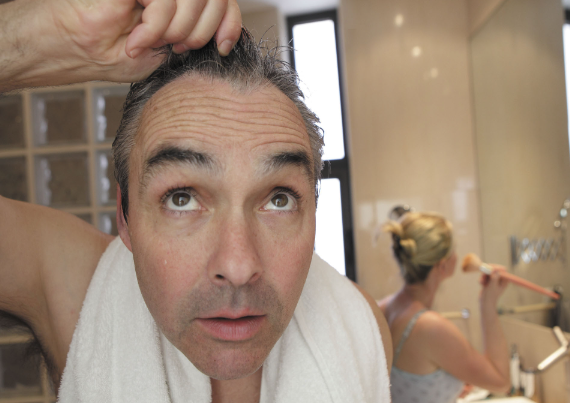
Hair loss can be a source of distress for many, but natural treatments offer a way to promote healthy hair growth without the side effects associated with pharmaceutical solutions. In this post, we’ll explore several effective natural hair loss treatments that are rooted in tradition and supported by modern science.
1. Essential Oils and Scalp Massages
Essential oils like rosemary, lavender, and peppermint have shown promising effects on hair growth. These oils stimulate blood circulation in the scalp, which can encourage hair follicles to enter the growth phase. To incorporate essential oils into your routine, you can add a few drops to a carrier oil like coconut or argan oil and apply it directly to your scalp. Allow it to sit for at least 30 minutes before rinsing it out.
In addition to using essential oils, regular scalp massages can significantly enhance the treatment’s effectiveness. Massaging your scalp helps to increase blood flow, easing tension and promoting follicle activity. You can use your fingertips to work through your scalp in circular motions for about 5-10 minutes each day for the best results.
-
- Choose high-quality essential oils, preferably organic.
-
- Mix essential oils with a carrier oil before application.
-
- Massage your scalp daily to improve blood circulation.
-
- Leave the oil on for at least 30 minutes or overnight.
-
- Be consistent; natural treatments may take time to show results.
2. Nutritional Supplements and Diet
The role of nutrition in hair health cannot be overstated. A balanced diet rich in vitamins and minerals is essential for maintaining strong hair follicles. Foods high in biotin, such as eggs, nuts, and legumes, are particularly beneficial, as biotin is known for promoting hair growth. Additionally, incorporating iron-rich foods such as spinach, lentils, and red meat can help improve blood circulation, benefiting hair growth.
In some cases, dietary supplements like fish oil, vitamin D, and zinc can also play a critical role. These nutrients support overall hair health and can help reduce hair loss. However, always consult a healthcare professional before starting new supplements to ensure they’re appropriate for your needs.
-
- Include a variety of fruits and vegetables in your diet.
-
- Opt for whole grains and lean proteins.
-
- Add foods rich in omega-3 fatty acids, like salmon or walnuts.
-
- Consider multivitamins if you have dietary restrictions.
-
- Stay hydrated by drinking sufficient water.
3. Herbal Remedies
Various herbs have been traditionally used to prevent hair loss and promote regrowth. One popular option is saw palmetto, which may block the hormone DHT that contributes to hair loss in some individuals. Another beneficial herb is ginseng, known for its ability to energize hair follicles and promote hair health. You can find these herbs in various forms, including capsules and teas.
Aloe vera is another powerhouse for hair treatment. Its anti-inflammatory properties can reduce scalp irritation, while its enzymes help remove dead skin cells. Applying aloe vera gel directly to your scalp can keep it healthy and promote optimal hair growth.
-
- Research herbal supplements that suit your needs.
-
- Test for allergies before applying new treatments.
-
- Integrate herbal teas into your daily routine for added benefits.
-
- Use fresh aloe vera gel for a natural scalp treatment.
-
- Combine saw palmetto with other nutrients for enhanced effectiveness.
4. Stress Management Techniques
Chronic stress is a significant contributor to hair loss, making stress management an essential part of hair care. Techniques such as yoga, meditation, and deep-breathing exercises can help lower stress levels. Devoting time to relaxation and self-care can have both mental and physical benefits, including promoting better hair health.
Additionally, maintaining a regular exercise routine can help manage stress levels. Activities like walking, jogging, or dancing release endorphins that combat stress, which may further support hair growth. Finding an activity you enjoy will make it easier to stick with a routine.
-
- Set aside time each day for relaxation techniques.
-
- Join a yoga or meditation class if possible.
-
- Engage in regular physical activity that you enjoy.
-
- Practice deep breathing exercises several times a day.
-
- Establish a healthy work-life balance to reduce stress.
Natural hair loss treatments offer a holistic approach to maintaining hair health, from essential oils to diet and stress management. If you’re struggling with hair loss, consider implementing some of these practices into your daily routine. Consult with a healthcare professional for personalized advice and to ensure you’re making the best choices for your hair and overall health.