
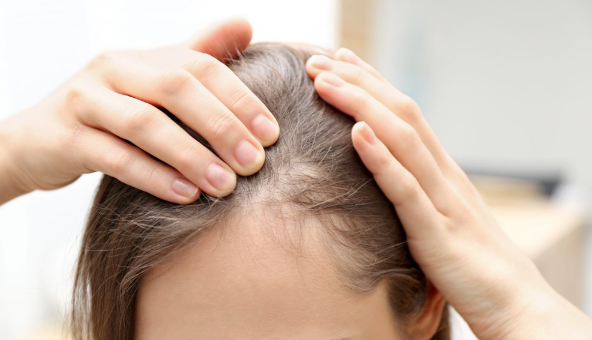
Hair loss can be a distressing experience for many individuals, affecting confidence and self-esteem. Understanding the available remedies is crucial for those seeking solutions. This post explores several effective approaches to combat hair loss and promote healthier hair.
1. Topical Treatments: Minoxidil and Finasteride
Minoxidil, commonly known by the brand name Rogaine, is a popular over-the-counter topical treatment for hair loss. It works by stimulating hair follicles, encouraging new hair growth, and slowing down hair loss. Typically applied in liquid or foam form directly to the scalp, it requires consistent use for the best results, which may take several months to become noticeable. It’s suitable for both men and women, making it a versatile choice in hair loss treatments.
Finasteride, sold as Propecia, is another effective treatment, but it requires a prescription. This medication targets dihydrotestosterone (DHT), a hormone linked to hair thinning and loss. By reducing the levels of DHT, finasteride helps prevent further hair loss and can, in some cases, promote regrowth. However, it’s important to consult with a healthcare provider to understand its potential side effects before starting treatment.
-
- Consult a healthcare professional for personalized recommendations.
-
- Apply Minoxidil directly to the scalp daily, following the instructions on the package.
-
- Be patient; improvements may take up to 12 weeks.
-
- Consider getting a prescription for Finasteride if suitable for you.
-
- Monitor any side effects from medications and report them to your doctor.
2. Nutritional Support: Diet and Supplements
Your diet plays a pivotal role in hair health. Consuming a balanced diet rich in vitamins and minerals can enhance hair strength and promote growth. Key nutrients include protein, iron, zinc, vitamin D, and omega-3 fatty acids. Foods like nuts, seeds, leafy greens, lean meats, and fish can nourish your hair from within. Additionally, incorporating supplements such as biotin and folic acid can further support hair health, though it’s always advisable to discuss supplementation with a healthcare provider.
Moreover, staying hydrated is equally vital, as dehydration can affect the hair’s vitality. Drinking plenty of water and limiting processed foods high in sugar can help maintain a healthy scalp. When discussing hair loss remedies, remember that balanced nutrition not only benefits your hair but also enhances overall well-being.
-
- Incorporate plenty of fruits and vegetables into your diet.
-
- Eat protein-rich foods like eggs and legumes for hair strength.
-
- Consider supplements if you’re lacking specific nutrients.
-
- Stay hydrated by drinking at least 8 glasses of water a day.
-
- Avoid excessive sugar and processed foods.
3. Lifestyle Changes: Stress Management and Scalp Care
Stress is a significant factor in hair loss, triggering conditions like telogen effluvium. Implementing stress management techniques such as yoga, meditation, or regular exercise can improve your overall mental health and potentially reduce hair loss. Finding time for relaxation and ensuring adequate sleep also contributes to lowering stress levels, which is essential for healthy hair growth.
Additionally, effective scalp care can significantly impact hair health. Regularly exfoliating your scalp can remove dead skin and product buildup, promoting a healthier environment for hair growth. Massaging the scalp for a few minutes daily can also stimulate blood circulation to hair follicles, potentially enhancing growth and thickness.
-
- Engage in regular physical activity to relieve stress.
-
- Practice mindfulness or meditation techniques.
-
- Dedicated time for relaxation and rest is essential.
-
- Exfoliate and cleanse your scalp regularly.
-
- Incorporate scalp massages into your daily routine.
In conclusion, while hair loss can be a challenging issue, numerous remedies and lifestyle changes can help you manage and combat the problem. It’s always advisable to track your symptoms and consult with professionals for tailored recommendations. Starting a routine today can lead to healthier hair tomorrow.