
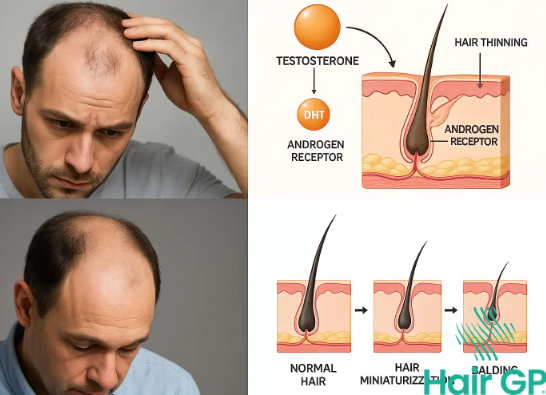
Hair loss affects millions of people worldwide, and understanding its causes is essential for effective management. A hair loss test can provide valuable insights into the reasons behind thinning hair or baldness, guiding individuals toward appropriate treatments.
1. What is a Hair Loss Test?
A hair loss test is a diagnostic tool that helps identify the underlying causes of hair thinning or loss. These tests can include blood tests, scalp biopsies, and even hair pull tests, which evaluate the number of hairs lost when gently tugged. By pinpointing the cause, whether it’s genetic, hormonal, or due to a medical condition, individuals can make informed decisions about their treatment options.
For example, a blood test may reveal deficiencies in essential nutrients like iron or vitamin D, which are crucial for hair health. Additionally, a scalp biopsy may indicate the presence of conditions like alopecia areata, an autoimmune disorder that attacks hair follicles. Understanding these details can provide clarity and pave the way for targeted interventions.
-
- Consult a healthcare provider to discuss symptoms.
-
- Request a blood test to check nutrient levels.
-
- Consider a scalp biopsy for accurate diagnosis.
-
- Keep a journal to track hair loss patterns and potential triggers.
2. Types of Hair Loss Tests
There are several types of tests available, each aimed at uncovering different aspects of hair loss. The most common tests include the pull test, which assesses the health of hair follicles, and the trichogram, which examines the growth cycles of hair. These tests can help determine whether hair loss is temporary or permanent, guiding treatment decisions.
Some tests focus on underlying medical conditions contributing to hair loss, such as thyroid function tests and hormone level assessments. The results can reveal if issues like hormonal imbalances or autoimmune conditions are at play, helping tailor a treatment plan that addresses the root cause rather than just the symptoms.
-
- Be aware of different test types available.
-
- Discuss with your doctor which tests may be most beneficial for you.
-
- Document your hair loss history for contextual information.
-
- Stay informed about any underlying health issues that may contribute to hair loss.
3. Interpreting Test Results and Next Steps
Once you’ve undergone hair loss tests, interpreting the results can feel overwhelming. A healthcare professional can help clarify what the findings mean, but it’s essential to understand the implications on your hair health. For instance, if results show low iron levels, dietary changes or supplements may be recommended. Conversely, if the tests point to genetic factors, exploring treatments like minoxidil or finasteride might be advisable.
It’s crucial to remember that hair loss isn’t a one-size-fits-all issue. Each individual may respond differently to treatment based on their unique test results and personal circumstances. Therefore, keeping an open line of communication with your healthcare provider can lead to the best possible outcomes, ensuring that the selected path aligns with your health needs and lifestyle.
-
- Ask your doctor to explain test results in detail.
-
- Research potential treatment options based on your diagnosis.
-
- Consider lifestyle changes, such as dietary improvements.
-
- Stay persistent and patient with your treatment plan; results may take time.
Understanding hair loss through appropriate testing can be a game-changer in managing this common issue. By uncovering the root causes, people can embark on an informed path to treatment tailored to their needs.
In conclusion, if you’re noticing hair loss, consider consulting with a healthcare professional to explore testing options. Understanding what may be causing your hair loss is crucial for effective treatment and can lead to healthier, fuller hair in the long run.