
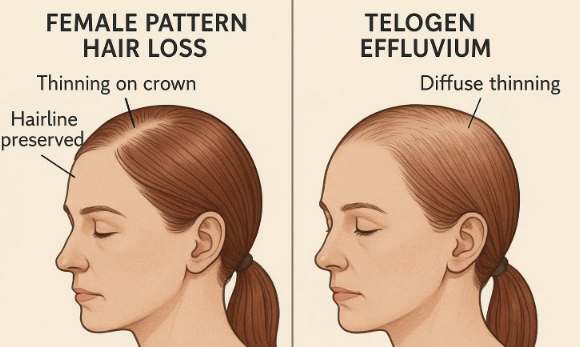
Many people notice their hair falling out or breaking, leading to confusion about what’s normal and what’s concerning. Hair breakage and shedding are two distinct issues, and understanding the differences can help you take better care of your locks.
This blog post will help you identify the signs of hair breakage and shedding and provide actionable tips to prevent them.
1. Understanding Hair Breakage
Hair breakage occurs when strands of hair become weak and brittle, leading to split ends and broken pieces. Various factors can contribute to breakage, including heat styling, chemical treatments, and environmental stressors. Regular use of heat tools, for example, can dry out the hair, making it more susceptible to breaking.
To recognize hair breakage, look out for uneven lengths, fraying ends, or a significant amount of broken hair strands adorning your brush or comb. It’s important to note that hair breakage does not typically result in hair loss from the scalp but affects the length and overall appearance of your hair.
-
- Avoid excessive heat styling; use a heat protectant when necessary.
-
- Limit chemical treatments, such as dyes and perms, that weaken hair structure.
-
- Incorporate a moisturizing shampoo and conditioner into your hair care routine.
-
- Regularly trim your hair to remove split ends and minimize further breakage.
2. Identifying Hair Shedding
Hair shedding is a natural part of the hair growth cycle, where old hair falls out to make way for new growth. On average, it is normal to lose 50 to 100 strands of hair a day. However, excessive shedding may be due to stress, hormonal changes, nutritional deficiencies, or underlying health issues.
To differentiate between normal shedding and problematic shedding, observe the volume of hair coming out during your daily routines such as brushing or shampooing. If you notice noticeable clumps of hair or bald patches, it may be time to consult a professional for advice.
-
- Maintain a balanced diet rich in vitamins and minerals, particularly biotin and iron.
-
- Manage stress levels through activities like yoga, meditation, or exercise.
-
- Consider a multivitamin if your diet lacks essential nutrients.
-
- Be gentle while washing or styling your hair to reduce unnecessary strain.
3. Common Causes and Solutions for Breakage and Shedding
Understanding the causes behind hair breakage and shedding can help you strategies to address these issues effectively. Breakage is often caused by mechanical damage, such as rough towel-drying or tight hairstyles, while shedding can be triggered by internal factors, including hormonal imbalances or stress.
To tackle these problems, begin with a thorough analysis of your hair care regimen and lifestyle. Keeping a hair diary can help identify patterns and triggers for excessive breakage or shedding, allowing you to take more targeted actions for improvement.
-
- Keep a diary to track changes in your hair health over time.
-
- Stay hydrated, as proper hydration is critical for overall hair strength.
-
- Experiment with protective hairstyles to reduce mechanical stress.
-
- Consult a healthcare professional if shedding seems excessive, as this can be a symptom of underlying health issues.
4. Building a Healthy Hair Care Routine
Establishing a healthy hair care routine is essential for minimizing breakage and controlling shedding. Regular maintenance can be pivotal in preventing the issues before they escalate. Start with using protective products, and incorporating routine trims, which can make a noticeable difference in overall hair health.
Moreover, consider investing in high-quality hair care products that cater to your specific hair type and needs. Products tailored for moisture retention or damage repair can significantly improve hair resilience over time.
-
- Create a weekly deep-conditioning regimen with hydrating masks.
-
- Choose sulfate-free shampoos to avoid stripping your hair of essential oils.
-
- Incorporate keratin-based products for added strength.
-
- Schedule regular visits to a hair salon for trims and deep conditioning treatments.
If you’re dealing with hair breakage or shedding, it’s essential to take a proactive approach. Consult with a hair care professional or a dermatologist to tailor a regimen specific to your needs. Monitoring your hair health and making informed adjustments can lead to healthier, more resilient hair.