
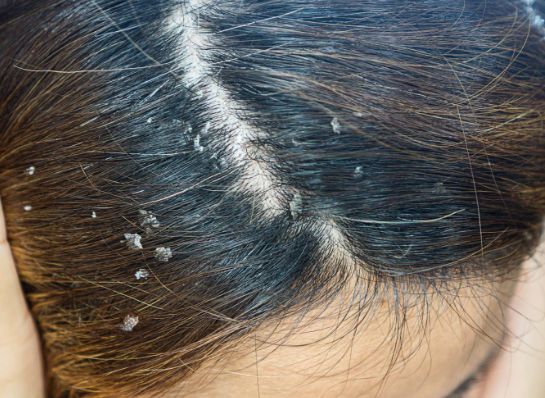
Seborrheic dermatitis is a common skin condition that affects many, often leading to irritation and hair loss. This article delves into how seborrheic dermatitis can impact your hair health and offers practical advice on managing both the condition and associated hair loss.
1. Understanding Seborrheic Dermatitis
Seborrheic dermatitis is characterized by red, flaky, and itchy patches, usually found on the scalp, face, and other oily areas of the body. It occurs when the sebaceous glands produce excess oil, leading to an overgrowth of yeast that thrives in oily environments. This condition can be mild, but in some cases, it escalates and can cause significant discomfort or distress.
The severity of symptoms can vary widely from person to person. Some might experience flakiness and mild itching, while others face more severe scaliness and inflammation. It’s important to understand the underlying causes contributing to the condition, as this knowledge can help in effectively managing it.
-
- Consult a dermatologist to get a proper diagnosis.
-
- Identify personal triggers like stress, hormonal changes, or weather.
-
- Keep a journal noting when flare-ups occur.
-
- Educate yourself on the condition through trusted medical sources.
2. How Seborrheic Dermatitis Leads to Hair Loss
Hair loss related to seborrheic dermatitis can result from two primary factors: inflammation and scratching. When the scalp is inflamed due to dermatitis, hair follicles might be affected, leading to weaker strands that can fall out more easily. Additionally, constant scratching to relieve itching can damage hair follicles and impede hair growth.
Another contributing factor is the products used to manage seborrheic dermatitis. Some harsh shampoos or treatments can further irritate the scalp and exacerbate hair loss if not chosen carefully. Therefore, understanding the right balance of treatment is crucial to maintain a healthy scalp and hair.
-
- Gentle, medicated shampoos can help reduce inflammation.
-
- Avoid scratching your scalp to allow follicles to recover.
-
- Opt for sulfate-free shampoos to maintain scalp health.
-
- Limit heat styling tools that can stress your hair.
3. Effective Management and Treatment Options
Managing seborrheic dermatitis while mitigating hair loss requires a multi-faceted approach. Regular treatments with medicated shampoos containing ingredients like ketoconazole or selenium sulfide can help control the underlying condition and promote a healthier scalp. Be consistent with your treatment regimen to see better results.
There’s also an emphasis on lifestyle changes, including reducing stress and ensuring a balanced diet rich in vitamins and Omega-3 fatty acids. Proper hydration and reducing inflammation through dietary choices can help your body fend off flare-ups. These holistic approaches contribute significantly to managing symptoms effectively.
-
- Create a regular hair-washing routine to keep the scalp clean.
-
- Incorporate anti-inflammatory foods like fish and leafy greens.
-
- Practice stress-reducing activities such as yoga or meditation.
-
- Stay hydrated by drinking enough water throughout the day.
4. When to Seek Professional Help
While many cases of seborrheic dermatitis can be managed at home, it’s essential to know when to consult a healthcare professional. If over-the-counter treatments aren’t providing relief, or if symptoms are worsening, a dermatologist can prescribe stronger medications or recommend targeted therapies. This could include topical corticosteroids or oral medications if necessary.
Additionally, if hair loss becomes more pronounced or permanent, it’s crucial to seek a specialized consultation. A medical professional can assess any underlying conditions that may be contributing to the hair loss beyond seborrheic dermatitis, providing a comprehensive treatment plan tailored to your needs.
-
- Don’t hesitate to see a dermatologist for persistent symptoms.
-
- Track changes in your scalp and hair health consistently.
-
- Ask about advanced treatments if standard options aren’t effective.
-
- Consider a nutritionist’s advice if diet appears to impact symptoms.
Managing seborrheic dermatitis and hair loss can be challenging, but taking proactive steps can lead to improvement. Consult a healthcare professional to develop a personalized management plan, and start implementing healthier lifestyle choices to support both your skin and hair health.