
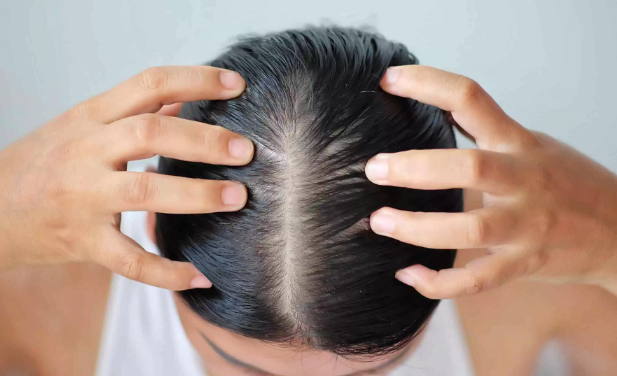
Itchy scalp and hair loss are two troubling issues that can be interlinked, causing discomfort and distress. Understanding the causes and exploring the available treatment options can empower you to take the necessary steps toward healthier hair and scalp.
1. Common Causes of Itchy Scalp
An itchy scalp can stem from various underlying conditions. One of the most common culprits is dandruff, a condition characterized by flaking skin and itching, often made worse by dry weather or harsh hair products. Another potential cause is seborrheic dermatitis, which can lead to inflammation and irritation, prompting persistent itchiness. In some cases, allergies to hair care products or even environmental factors can trigger irritation.
Scalp psoriasis is another condition that causes itchy patches on the scalp, often accompanied by red, scaly skin. Including a maintenance routine to manage itchiness could be vital in your hair care journey. Identifying the cause will help determine the right approach to treatment, offering you relief from discomfort and minimizing the risk of hair loss.
-
- Identify your scalp condition through research or consultation.
-
- Switch to gentle, hypoallergenic hair care products.
-
- Keep your scalp moisturized to prevent dryness.
-
- Attend to environmental factors that could exacerbate itching.
2. How Hair Loss Relates to Scalp Issues
A constant itchy scalp can lead to hair loss in various ways. Frequent scratching can damage hair follicles, causing hair to fall out prematurely. Additionally, inflammatory conditions like psoriasis can also lead to hair thinning, as the body’s immune response can attack hair follicles. Chronic irritation can weaken hair growth, creating a vicious cycle of itchiness and hair loss that can be difficult to break.
Furthermore, stress often accompanies these scalp issues, further exacerbating hair loss. It damages the hair growth cycle, leading to conditions such as telogen effluvium, where hair prematurely enters the shedding phase. Understanding that there is a connection between your itching and hair loss can stress the importance of addressing the symptoms right away.
-
- Reduce scratching to preserve hair follicles.
-
- Incorporate calming techniques to manage stress levels.
-
- Consider scalp treatments that target inflammation.
-
- Seek professional advice on dealing with hair thinning.
3. Treatment Options for Relief
When focusing on treatment, it’s essential to opt for solutions tailored to your specific condition. Over-the-counter anti-itch shampoos can effectively soothe the scalp and reduce flakiness, especially those containing ingredients like ketoconazole or salicylic acid. However, if you suspect a more serious condition, consulting a dermatologist is advisable, as prescription treatments may provide better results.
Natural remedies such as tea tree oil, coconut oil, or aloe vera can also be beneficial. These ingredients have anti-inflammatory properties that may soothe irritation and promote a healthier scalp environment. Before opting for any treatment, always conduct a patch test to avoid unwanted reactions. Establishing a treatment routine is crucial in achieving long-lasting relief.
-
- Choose shampoos with active ingredients suited to your condition.
-
- Consider natural remedies alongside conventional treatments.
-
- Establish a regular washing routine to remove irritants.
-
- Avoid heat styling tools that can exacerbate dryness and irritation.
4. Preventive Measures to Maintain Scalp Health
Prevention is often the best strategy when addressing scalp itchiness and hair loss. Keeping your scalp clean and well-hydrated can help mitigate many issues. Regularly washing your hair with a gentle, moisturizing shampoo will aid in removing buildup, thus reducing the chances of irritation. In addition, incorporating a nourishing conditioner can help maintain moisture levels and strengthen hair.
Regular scalp massages can also promote blood circulation, thus supporting healthy hair growth. Keeping your hair tools clean and avoiding harsh chemical treatments minimizes the risk of scalp irritation. Furthermore, maintaining a balanced diet rich in vitamins and minerals is vital for both scalp and hair health.
-
- Maintain cleanliness by regularly washing your hair.
-
- Incorporate scalp massages into your routine.
-
- Avoid tight hairstyles that put pressure on the scalp.
-
- Ensure a balanced diet with essential nutrients for hair health.
In conclusion, addressing itchy scalp issues and associated hair loss is an ongoing journey that involves understanding, care, and appropriate treatment. If symptoms persist, consider consulting a healthcare professional to identify the underlying causes and develop a tailored treatment plan. Don’t hesitate to take that first step toward healthier hair and a comfortable scalp!