
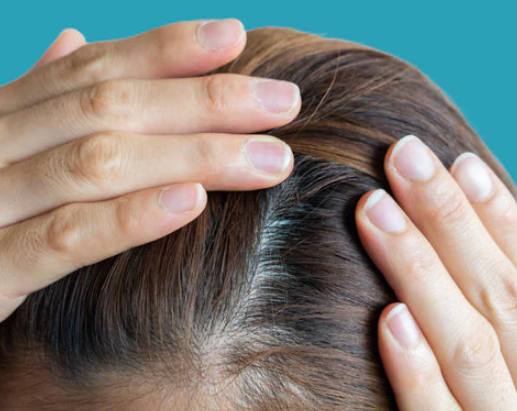
Iron deficiency is a common nutritional issue that can lead to various health problems, including hair loss. While it may seem surprising, a lack of iron in your diet can affect your hair follicles, leading to thinning or shedding. Understanding the connection between iron deficiency and hair loss is crucial for anyone experiencing changes in their hair health.
1. Understanding Iron Deficiency and Its Effects
Iron is an essential mineral that plays a vital role in several bodily functions, most importantly in the formation of hemoglobin. Hemoglobin is responsible for transporting oxygen in the blood, and without adequate oxygen, your body cannot function effectively. This lack of oxygen can significantly affect hair growth because hair follicles rely heavily on oxygen-rich blood to thrive and produce healthy hair strands.
When your body experiences iron deficiency, it prioritizes vital organs over hair follicles. As a result, the hair may enter a resting phase called telogen, causing hair to shed prematurely. This situation can lead to noticeable thinning of hair and may even result in hair loss over time. If you suspect your hair loss may be linked to iron deficiency, it’s essential to recognize the signs and act quickly.
-
- Monitor your hair shedding; excessive loss can be a sign.
-
- Look for other symptoms of iron deficiency, such as fatigue or pale skin.
-
- Consult a healthcare professional if you notice significant changes.
-
- Consider dietary adjustments to increase your iron intake.
2. Identifying the Symptoms of Iron Deficiency Hair Loss
Identifying the symptoms associated with iron deficiency hair loss can help you take proactive measures before the condition worsens. One of the most common symptoms is noticeable hair thinning or patchy hair loss. Make a habit of observing your hair health regularly, as this can alert you to any changes early on.
In addition to hair loss, other symptoms of iron deficiency may include chronic fatigue, brittle nails, and unusual cravings for non-food items, such as ice or dirt. If you’re experiencing a combination of these symptoms, it may be time to consult a healthcare provider for testing and advice. Early detection can lead to easier treatment and better outcomes.
-
- Keep a journal of your hair’s condition over several weeks.
-
- Notice any physical symptoms like fatigue or unusual cravings.
-
- Share your observations with your healthcare provider.
-
- Discuss family history of hair loss and other conditions.
3. Dietary Changes to Combat Iron Deficiency
Diet plays a crucial role in managing iron deficiency. Incorporating iron-rich foods can help replenish your body’s iron levels, which may, in turn, improve hair strength and growth. Foods like red meat, poultry, fish, lentils, and leafy greens such as spinach are excellent sources of iron.
It’s also important to pair iron-rich foods with vitamin C, which enhances iron absorption. For instance, having a spinach salad dressed with lemon juice or consuming a glass of orange juice along with your iron-rich meal can boost your iron intake significantly. Be cautious, as some foods, like calcium-rich dairy, can inhibit iron absorption if consumed at the same time.
-
- Include red meat or poultry in your weekly meal plan.
-
- Opt for lentils, beans, and chickpeas for plant-based iron.
-
- Combine iron-rich meals with vitamin C sources.
-
- Avoid drinking tea or coffee immediately after meals to maximize iron absorption.
4. Supplements and When to Consider Them
If dietary changes alone don’t suffice, iron supplements can be a useful alternative. Various forms are available, including ferrous sulfate and ferrous gluconate, and are generally effective in increasing your iron levels. However, taking iron supplements should always be done under medical supervision, as excessive iron intake can lead to adverse health effects.
Your healthcare provider can determine whether you need supplements and suggest the appropriate dosage based on your iron levels. It’s also essential to remain patient, as it can take several weeks or months to notice significant changes in hair health and growth after starting supplements.
-
- Always consult a healthcare provider before starting supplements.
-
- Follow the prescribed dosage carefully.
-
- Monitor for side effects like stomach upset or constipation.
-
- Be patient; supplements may take time to show results.
In conclusion, iron deficiency hair loss is a significant concern that can affect many individuals. By recognizing the symptoms, making dietary changes, and consulting a healthcare professional, you can effectively address the issue. Take action today to track your symptoms and start on a path to better hair health!