
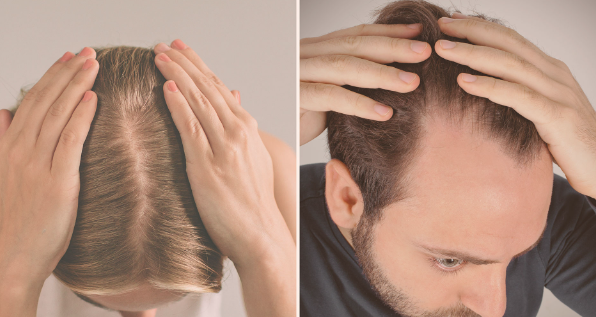
Hormonal hair loss is a common issue impacting numerous individuals, often caused by hormonal fluctuations related to various life stages, conditions, or lifestyle factors. This condition, while frustrating, can often be effectively managed or treated with the right knowledge and strategies.
1. Understanding Hormonal Hair Loss
Hormones play a critical role in regulating hair growth. Conditions like androgens, which are male hormones that females also produce, can shrink hair follicles, leading to thinning hair or hair loss. This type of hair loss is often associated with conditions such as polycystic ovary syndrome (PCOS) or menopause, where hormonal imbalances occur prominently.
Additionally, thyroid hormones significantly impact hair health. An underactive thyroid (hypothyroidism) can lead to dryness and hair thinning, while an overactive thyroid (hyperthyroidism) can also contribute to hair loss but usually presents differently. Understanding the specific hormonal context is essential for tackling hair loss effectively.
-
- Monitor hormone levels: Regular check-ups can help identify imbalances.
-
- Note symptoms: Track any changes in your health or hair.
-
- Consult your doctor: Discuss any concerns related to hair loss.
-
- Research conditions: Familiarize yourself with hormonal disorders.
2. Common Causes of Hormonal Hair Loss
Aside from conditions like PCOS and thyroid disorders, hormonal changes during pregnancy or menopause can initiate hair loss. During pregnancy, increased hormones may lead to fuller hair, but after childbirth, many women experience shedding due to the rapid drop in these hormones, leading to temporary hair loss.
Moreover, certain medications, particularly hormonal contraceptives, can also trigger hair loss in some women. It’s vital to evaluate any recent medication changes if you notice thinning hair. Taking a holistic approach towards understanding your body’s unique hormonal landscape can help tailor a more effective treatment plan.
-
- Be aware of life changes: Keep track of any hormonal shifts.
-
- Evaluate medication impact: Discuss medication side effects with your doctor.
-
- Consider family history: Determine if hair loss runs in your family.
-
- Document your cycles: For women, tracking menstrual cycles can reveal patterns.
3. Treatment Options for Hormonal Hair Loss
Various treatment options are available, and the effectiveness often depends on the underlying cause. Over-the-counter treatments containing minoxidil can help stimulate hair regrowth by increasing blood flow to hair follicles. For those dealing with hormone-related issues, adjusting the hormonal balance might involve lifestyle changes or medications prescribed by a healthcare professional.
Additionally, some individuals explore natural remedies such as essential oils or dietary supplements aimed at promoting hair health. Biotin, zinc, and iron are popular supplements due to their role in hair follicle strength. However, always consult with a healthcare provider before starting any supplement to ensure it’s appropriate for you.
-
- Consider topical treatments: Look for options with minoxidil.
-
- Evaluate dietary choices: Ensure you’re getting plenty of vitamins and minerals.
-
- Stay hydrated: Proper hydration can improve overall health.
-
- Consult a dermatologist: Get personalized advice on hair care.
4. Lifestyle Changes to Combat Hair Loss
Incorporating healthy lifestyle changes can significantly impact hair health. Eating a balanced diet rich in proteins, healthy fats, and essential vitamins can help nourish hair from the inside out. Regular exercise also boosts circulation, supporting healthy hair growth as blood flow increases to hair follicles.
Reducing stress through mindfulness practices like yoga or meditation can also play a crucial role. Stress is known to disrupt hormones, contributing to hair loss. Therefore, finding effective ways to manage stress not only improves overall quality of life but also positively impacts hair health.
-
- Eat a balanced diet: Include proteins, vitamins, and healthy fats.
-
- Exercise regularly: Aim for at least 30 minutes most days.
-
- Practice stress management: Explore techniques like mindfulness and yoga.
-
- Avoid harsh treatments: Limit use of heat styling and chemical products.
Hormonal hair loss can be a challenging journey, but understanding its causes and exploring effective treatments can make a significant difference. If you’re concerned about hair loss, consulting a healthcare professional is a great first step towards finding a tailored solution that works for you.