
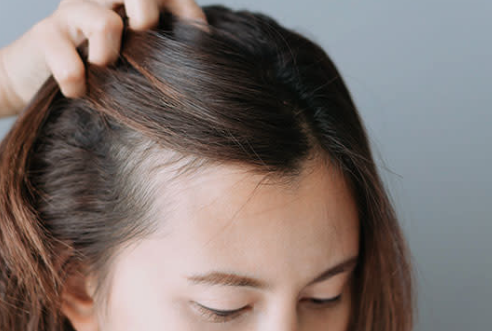
Postpartum hair loss is a common experience for many new mothers, often causing concern and confusion. Understanding the causes and finding effective solutions can significantly alleviate this issue and restore confidence.
1. Understanding Postpartum Hair Loss
Postpartum hair loss, medically known as telogen effluvium, typically occurs after childbirth due to hormonal changes in the body. During pregnancy, women experience an increase in hormones like estrogen, which prolongs the hair growth phase and results in fuller, thicker hair. However, after giving birth, hormone levels drop, which can trigger a sudden shedding of hair that was previously retained.
This type of hair loss usually begins around three months postpartum and can last for up to six months, although some women may experience it for a longer duration. The amount of hair loss can vary from person to person, with some losing a significant amount of hair while others may notice only a mild thinning. Recognizing that this is a normal phase can help ease anxiety during this transitional period.
-
- Stay informed about the normal hair growth cycle.
-
- Know the timeline for postpartum hair loss.
-
- Understand the hormonal link to hair shedding.
-
- Be mindful of your emotional well-being during this transition.
2. Coping Strategies for Hair Loss
While postpartum hair loss can be distressing, there are several effective coping strategies. First, maintaining a healthy diet rich in vitamins and minerals can support hair health. Nutrients such as iron, zinc, and vitamins A, C, and D play a crucial role in hair growth and can be found in foods like leafy greens, nuts, seeds, and lean proteins.
In addition to a nutritious diet, gentle hair care routines can make a significant difference. Avoiding heat styling tools and harsh chemicals can help minimize stress on the hair shaft, reducing further damage. Using a soft brush and avoiding tight hairstyles can also lessen breakage and allow the scalp to breathe.
-
- Incorporate nutrient-rich foods into your meals.
-
- Limit the use of heat styling tools.
-
- Opt for gentle hair care products.
-
- Practice good scalp hygiene.
3. When to Seek Professional Help
Although postpartum hair loss is usually temporary, there are situations where consulting a professional is advised. If hair loss persists beyond 6 to 12 months, it could indicate an underlying issue such as thyroid imbalance or nutritional deficiencies. In these cases, a healthcare provider can run tests to identify any potential problems and offer treatment plans tailored to your needs.
Additionally, if you notice patchy hair loss or thinning in specific areas, it may be indicative of conditions like alopecia areata. Seeking professional advice can help diagnose the issue accurately and recommend the most effective interventions, whether they involve topical treatments or other medical options.
-
- Monitor the duration and pattern of hair loss.
-
- Keep a record of any other symptoms you may experience.
-
- Consider talking to a healthcare provider if the shedding is excessive.
-
- Ask about blood tests to check for deficiencies.
In conclusion, postpartum hair loss can be a challenging experience for many women, but understanding its causes and implementing coping strategies can lead to significant improvements. If you’re feeling overwhelmed, don’t hesitate to consult a professional who can provide support and guidance during this important transition.