
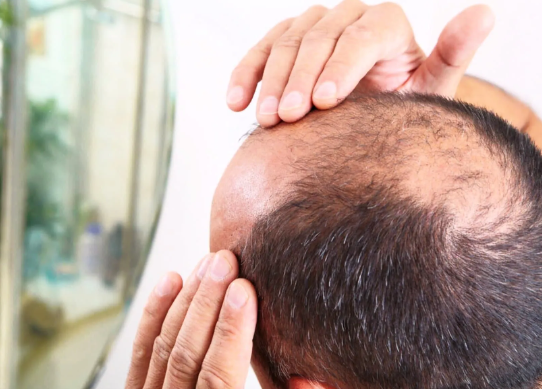
Male pattern baldness, also known as androgenetic alopecia, is a common condition that affects millions of men worldwide. This hereditary issue can start as early as the late teens and can lead to significant hair loss over time. Understanding its causes and treatment options can empower men facing this challenge.
1. What Causes Male Pattern Baldness?
Male pattern baldness primarily results from genetic factors and hormonal changes. The condition is linked to dihydrotestosterone (DHT), a derivative of testosterone. Elevated levels of DHT can shrink hair follicles, leading to shorter and thinner hair strands until eventually the follicles stop producing hair altogether.
Research suggests that if your father or maternal grandfather experienced baldness, your chances of facing it are higher. It’s not just about genetics; environmental factors and lifestyle choices can also influence the onset and progression of hair loss. For instance, stress and poor nutrition can exacerbate the condition, further emphasizing the importance of a holistic approach to treatment.
-
- Consider your family history when assessing your risk.
-
- Monitor stress levels; high stress can worsen hair loss.
-
- Maintain a balanced diet to support hair health.
-
- Stay informed about new research in the hair loss field.
2. How to Identify Male Pattern Baldness Early?
Recognizing the early signs of male pattern baldness can help you take proactive measures. The typical progression starts with a receding hairline, often forming an “M” shape. Another common indicator is thinning at the crown, which may not be as noticeable initially but can become apparent over time.
If you notice one or both of these patterns, it’s essential to track the changes. Regularly checking your hair and taking pictures can provide clarity on the rate of hair loss. Early intervention can lead to more effective treatment options, so being vigilant is key.
-
- Check for a receding hairline or thinning patches.
-
- Take monthly photos to monitor changes.
-
- Consult a dermatologist for professional evaluation if you suspect hair loss.
-
- Keep a journal of any hair-related concerns or changes.
3. Treatment Options for Male Pattern Baldness
While there is no one-size-fits-all treatment for male pattern baldness, several options can effectively slow or even reverse hair loss. Minoxidil, commonly known as Rogaine, is a topical solution that promotes hair growth and can be effective for many men. Another option, finasteride (Propecia), is an oral medication that works by reducing DHT levels in the scalp.
For those seeking more permanent solutions, hair transplant surgeries are increasingly popular. These procedures involve moving hair follicles from one part of the scalp to another, providing a natural look. It’s essential to weigh the pros and cons of each option, and consulting a healthcare provider is crucial to finding the best fit for your situation.
-
- Consider FDA-approved treatments like minoxidil or finasteride.
-
- Research hair transplant options if you prefer a more lasting solution.
-
- Get a thorough consultation to evaluate the best treatment for you.
-
- Be patient; many treatments take time before showing results.
4. Lifestyle Changes to Support Hair Health
Incorporating lifestyle changes can play a crucial role in managing male pattern baldness. A balanced diet rich in vitamins and minerals like iron, zinc, and vitamins A and E can contribute to healthy hair. Foods such as spinach, nuts, and fish are prime candidates for maintaining hair vitality.
Additionally, managing stress through activities like yoga or meditation can prevent further hair loss. Physical health influences hair health, making regular exercise essential. Combined with proper sleep and hydration, these factors can greatly impact the health of your hair.
-
- Include leafy greens, nuts, and fish in your diet.
-
- Stay hydrated; aim for 8 glasses of water daily.
-
- Practice stress-reducing techniques regularly.
-
- Get regular exercise to promote overall health.
In conclusion, male pattern baldness is a multifaceted issue influenced by genetics, hormones, and lifestyle. Recognizing early signs and exploring treatment options can make a significant difference. If you’re experiencing hair loss, consulting a healthcare professional can guide you toward effective solutions tailored to your needs.