
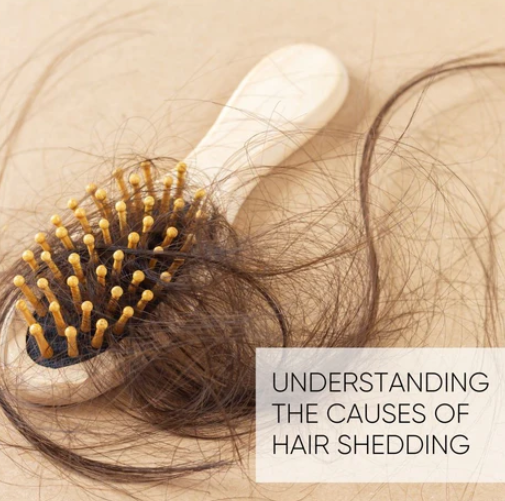
Hair shedding is a common concern for many people, often leading to worry and confusion about the health of their hair. It’s essential to understand the shedding process and recognize when it can become a more significant issue. In this article, we’ll delve into the reasons for hair shedding and provide insights on how to manage it effectively.
1. Understanding Hair Shedding
Every day, it’s normal to lose between 50 to 100 strands of hair, but the shedding process can vary significantly based on factors like hair type and health conditions. Shedding occurs in cycles, with a phase known as telogen, where hair rests and eventually falls out. Recognizing the shedding cycle can help you differentiate between normal shedding and excessive hair loss.
Different types of hair have different shedding patterns. For instance, curly hair may appear to shed less due to its structure, while straight hair might show a more noticeable loss. The key is to monitor your own hair shedding pattern over time to determine what is normal for you.
-
- Track your daily hair loss to identify patterns.
-
- Consult a professional if you notice sudden changes.
-
- Understand your hair type to differentiate shedding rates.
-
- Learn about the hair growth cycle to better grasp the process.
2. Common Causes of Excessive Hair Shedding
While some level of shedding is normal, excessive hair loss can be a sign of underlying issues. Stress and anxiety are leading contributors to hair shedding, often triggering telogen effluvium, a temporary condition characterized by sudden hair loss. Nutritional deficiencies, particularly iron or vitamin D, can also lead to increased shedding, highlighting the importance of a balanced diet.
Hormonal changes can have a significant impact on hair health. Events such as pregnancy or menopause can cause fluctuations in hormone levels, leading to shedding. Additionally, certain medical conditions like thyroid disorders or alopecia areata can lead to noticeable hair loss, emphasizing the need for medical assessment when shedding increases.
-
- Manage stress through relaxation techniques like meditation.
-
- Include iron and vitamin-rich foods in your diet.
-
- Monitor hormonal changes during significant life events.
-
- Consult a healthcare provider if you suspect a medical condition.
3. Effective Solutions to Manage Hair Shedding
Addressing hair shedding typically involves a holistic approach. A proper hair care routine can help minimize damage and support healthy hair growth. Use a gentle shampoo and avoid harsh chemicals; opt for sulfate-free products that treat your hair delicately. Regular conditioning can help maintain moisture levels and reduce breakage.
Incorporating lifestyle changes can also make a considerable difference. Regular exercise improves circulation and can promote hair health. Additionally, introducing supplements like biotin or collagen may support hair strength, but it’s best to discuss such changes with a healthcare provider to ensure compatibility with your health needs.
-
- Use a mild shampoo and conditioner regularly.
-
- Reduce heat usage on hair to prevent damage.
-
- Consider biotin supplements, after consulting a doctor.
-
- Engage in regular physical activity to support blood circulation.
Understanding hair shedding involves recognizing what’s typical for your hair type and being attentive to changes that could indicate a larger issue. By staying informed and adopting proper hair care practices, you can significantly reduce your worries about hair shedding.
If you are experiencing excessive hair shedding and feel uncertain about how to approach the issue, consider consulting with a healthcare professional. Keeping track of your symptoms and any changes in your hair routine can also help when discussing your concerns with a specialist.