
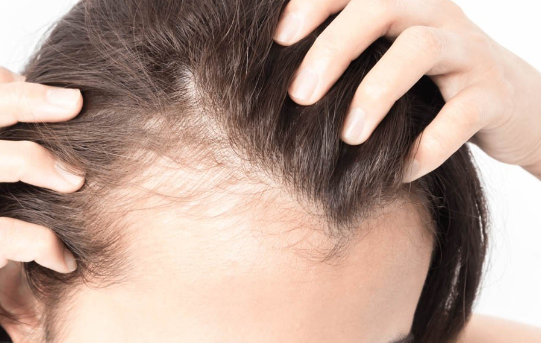
Sudden hair loss can be a distressing experience, affecting one’s confidence and mental well-being. Understanding the potential causes and exploring effective solutions can help you navigate this challenge.
1. Common Causes of Sudden Hair Loss
There are various factors that can lead to sudden hair loss, one of the most common being a medical condition such as alopecia areata. This autoimmune disorder causes hair to fall out in patches and can sometimes occur suddenly, leaving individuals shocked and seeking answers. Stress, both physical and emotional, is another significant contributor; it can disrupt the hair growth cycle and trigger conditions like telogen effluvium, where hair follicles enter a resting phase and hair falls out prematurely.
Hormonal changes, especially those related to pregnancy, menopause, or thyroid issues, can also result in sudden hair loss. Conditions like polycystic ovary syndrome (PCOS) are known to cause hormonal imbalances that may lead to thinning hair. Apart from health-related causes, poor nutrition and inadequate intake of essential vitamins can affect hair growth significantly.
-
- Monitor for other symptoms like skin changes or fatigue.
-
- Keep track of recent stressors or life changes.
-
- Consider any medications that might contribute.
-
- Consult a healthcare professional for an accurate diagnosis.
2. Evaluating Your Health for Underlying Issues
Before jumping to conclusions about the cause of sudden hair loss, it’s essential to evaluate your overall health. Conducting a full health check can help identify any underlying medical conditions that may not be immediately apparent. Blood tests can reveal deficiencies in iron, vitamin D, or other essential nutrients that play crucial roles in hair health.
Another aspect to consider is your emotional well-being. Chronic stress can lead to conditions like depression and anxiety, both of which can indirectly cause hair loss. Adequate mental health support and techniques such as mindfulness, meditation, or therapy can be beneficial in addressing these underlying issues.
-
- Schedule a comprehensive medical examination.
-
- Perform routine blood tests to screen for deficiencies.
-
- Keep a diary of your emotional state.
-
- Seek counseling or peer support for stress management.
3. Effective Treatment Options and Lifestyle Adjustments
Once you’ve identified the potential causes of your sudden hair loss, the next step is exploring treatment options. Depending on the diagnosis, topical treatments like minoxidil may be recommended for stimulating hair growth. In more severe cases, doctors may suggest corticosteroid injections to reduce inflammation and promote regrowth around affected areas.
Adopting a healthier lifestyle can also significantly impact hair health. Ensure you maintain a balanced diet rich in vitamins and minerals specifically beneficial for hair, such as biotin, zinc, and omega-3 fatty acids. Moreover, incorporating stress-reduction techniques, regular physical activity, and adequate sleep can promote a healthier environment for hair growth.
-
- Consider over-the-counter treatments like minoxidil.
-
- Consult your doctor about vitamin supplements.
-
- Incorporate stress-reduction activities into your daily routine.
-
- Adopt a regular exercise schedule to improve overall health.
4. Seeking Professional Help
If sudden hair loss persists despite lifestyle changes and home remedies, it’s time to consult a dermatologist or a trichologist. These specialists can provide insights into the specific type of hair loss you might be experiencing and tailor treatments accordingly. They often conduct scalp analyses to check for conditions like scalp psoriasis or infections that may contribute to hair shedding.
Additionally, exploring advanced treatment options such as PRP (platelet-rich plasma) therapy or hair transplantation can be viable alternatives for those looking for more permanent solutions. A professional can walk you through the available options, helping you make informed decisions based on your specific circumstances.
-
- Book an appointment with a dermatologist or trichologist.
-
- Prepare questions to ask during your consultation.
-
- Follow recommended treatment plans diligently.
-
- Track your progress to discuss in follow-up appointments.
Sudden hair loss can be overwhelming, but understanding its causes and seeking appropriate professional guidance is crucial in reclaiming your confidence. If you experience this condition, don’t hesitate to consult a healthcare provider and explore the best treatment options tailored to your needs.